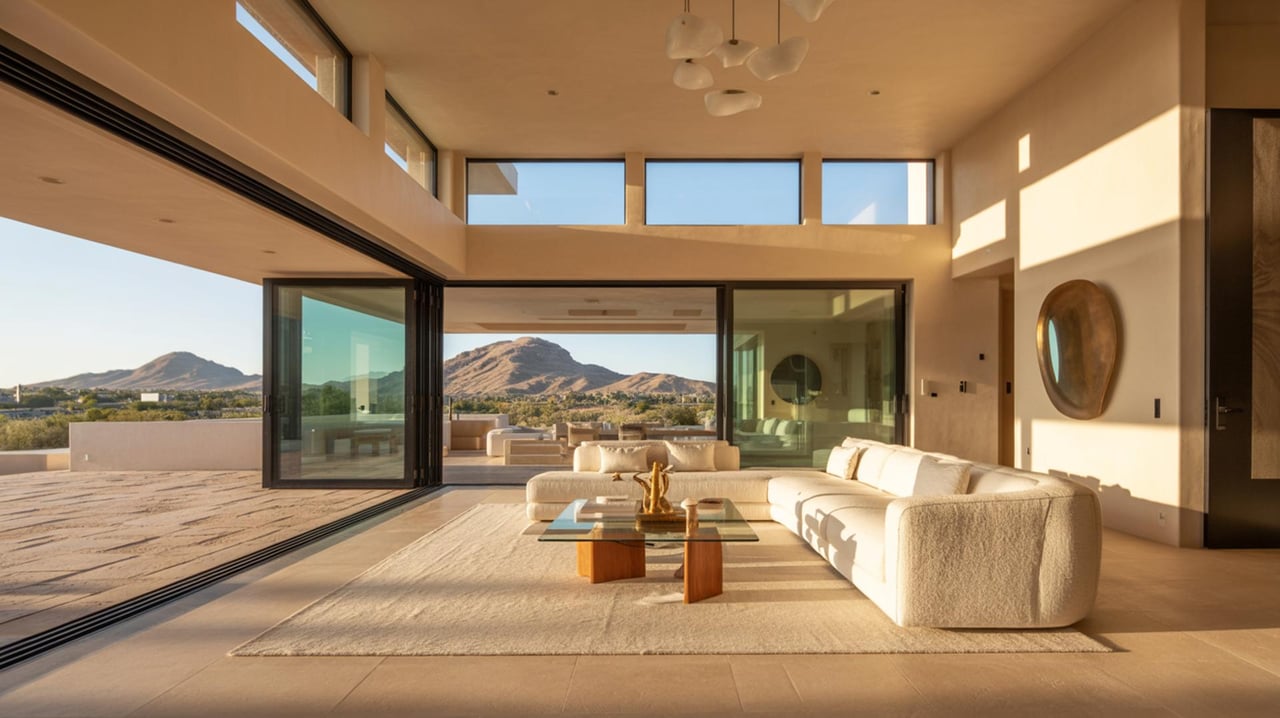
Natural light shapes how a home looks and feels. In Phoenix, AZ, where sunlight is abundant, intentional use of daylight can raise property appeal and support emotional well-being. The following sections explain practical steps to capture more natural light, design choices that highlight brightness, and ways that sunlit spaces can influence buyer preferences and daily comfort.
How Natural Light Affects Buyer Preferences And Perceived ValueNatural light often makes interiors feel larger and more welcoming. Homes with generous windows, open sightlines, and light-reflecting finishes appear more spacious to potential buyers. In Phoenix, AZ, properties that show thoughtful sun exposure often attract strong interest from people seeking bright living spaces. Real estate agents focus on how light enhances architectural features and how rooms connect across the floor plan. When presenting a home, staging that emphasizes sunlit corners and window views can create memorable impressions that influence offers.
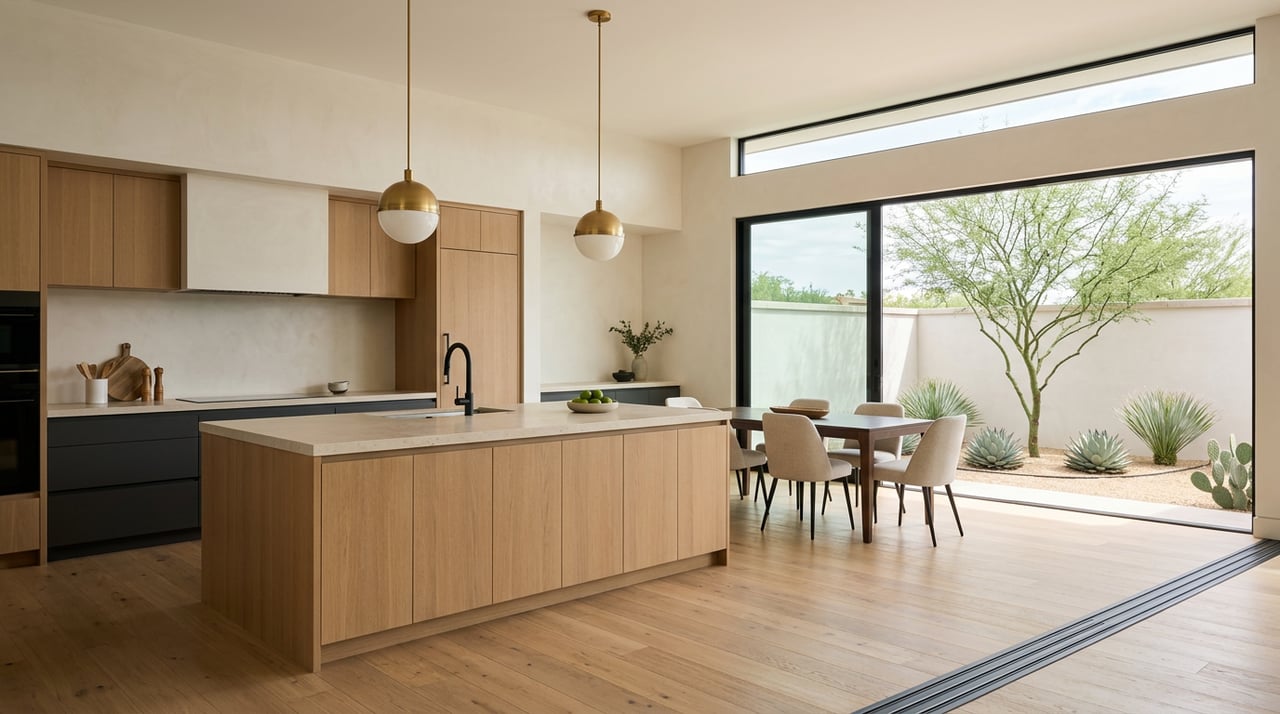
Designing Window Placement For Optimal DaylightWindow placement determines how daylight moves through a home. South-facing windows capture steady light throughout the day, while east-facing windows bring gentle morning illumination. West orientation offers warmer afternoon light that highlights textures and color. In new construction or renovations, map out major living areas so common rooms benefit from primary daylight sources. Clerestory windows and transoms can deliver light deeper into interior spaces without sacrificing privacy. Work with architects or designers familiar with Phoenix climate to balance daylight with thermal comfort.
Selecting Glass Types And Treatments That Maximize LightGlass selection shapes light quality and energy performance. Low-emissivity coatings let light pass while reducing heat transfer. Tempered glass increases safety near walkways and patios. For rooms that need glare control, consider solar films that maintain clarity while tempering intensity. Window treatments such as sheer panels and adjustable shades soften direct sun while preserving brightness. Exterior features like retractable awnings and pergolas allow control over how much light enters at different times. Choose options that enhance brightness while addressing seasonal solar angles common to Phoenix.
Using Interior Colors And Surfaces To Amplify BrightnessInterior finishes play a major role in light distribution. Light-reflective wall paints with subtle sheens bounce daylight across rooms. Flooring in pale tones or with smooth surfaces carries light more effectively than heavy, dark textures. Mirrors and metallic accents can redirect sunlight into shadowed corners. Arrange furniture to keep sightlines open and to prevent large objects from blocking window light. In kitchens, select cabinet finishes that reflect light and make counters appear more luminous. These choices create airy interiors without structural changes.
Incorporating Skylights And Light Tubes For Deeper IlluminationSkylights and tubular daylight devices bring sun to central spaces that lack perimeter windows. Fixed skylights introduce panoramic sky views, while venting skylights add ventilation. Light tubes channel sunlight through reflective tubing into closets, hallways, and bathrooms where traditional windows are impractical. Placement should consider roof slope and orientation to avoid direct mid-day overheating in Phoenix, AZ. Proper flashing and professional installation prevent leaks. These solutions increase perceived square footage by improving light in previously dim areas.
Balancing Energy Efficiency With Daylighting StrategiesDaylighting can reduce reliance on artificial lighting, but passive solar gain must be managed in a warm climate. Proper insulation, high-performance glazing, and exterior shading reduce cooling loads while maintaining bright interiors. Overhangs sized for seasonal sun angles block high summer sun and admit lower winter light. Planting shade trees in strategic locations softens direct sun and lowers outdoor temperatures. Work with energy consultants or builders who understand local codes and incentive programs to design daylighting that pairs brightness with long-term efficiency.
Staging And Photography Tips To Showcase Sunlit SpacesPresentation matters when marketing a light-filled home. Schedule photography during times when natural light fills primary rooms and captures window views. Use minimal window coverings so glass and frames are visible. Arrange furniture to create open pathways that lead the eye toward luminous areas. In written descriptions, highlight specific features such as floor-to-ceiling windows, south-facing balconies, or skylit hallways. Open house events during daylight hours allow potential buyers to experience the atmosphere firsthand and form a clear impression.
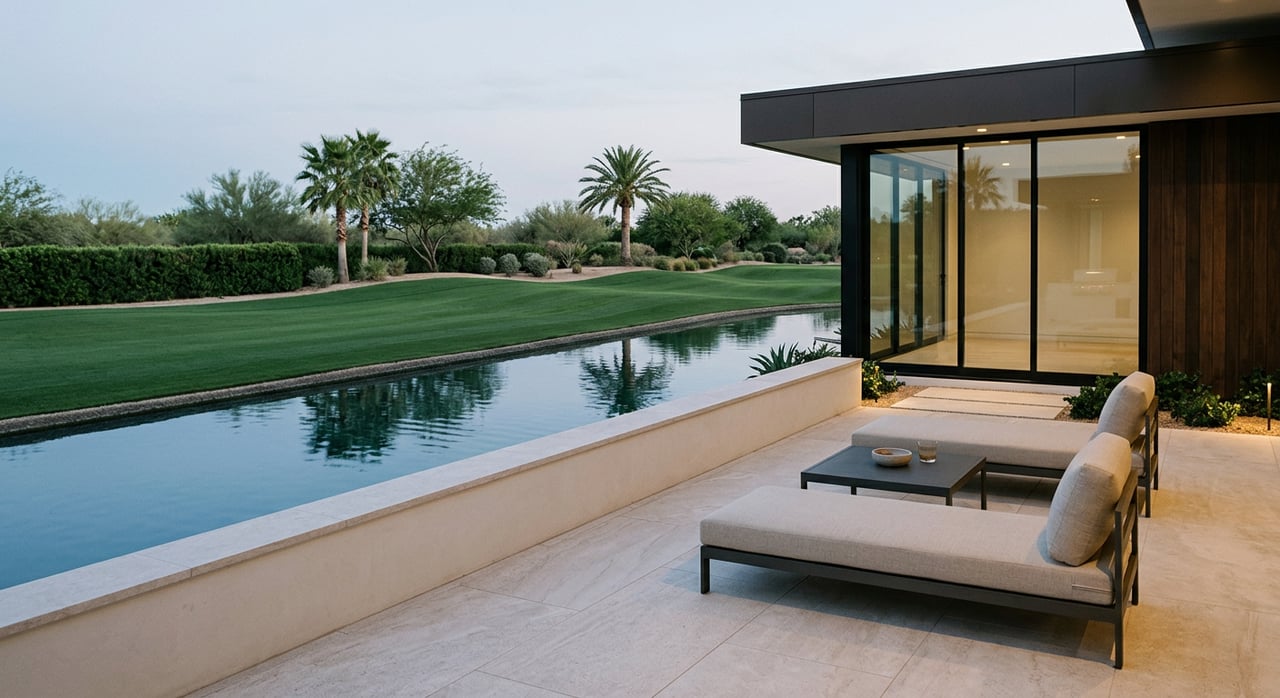
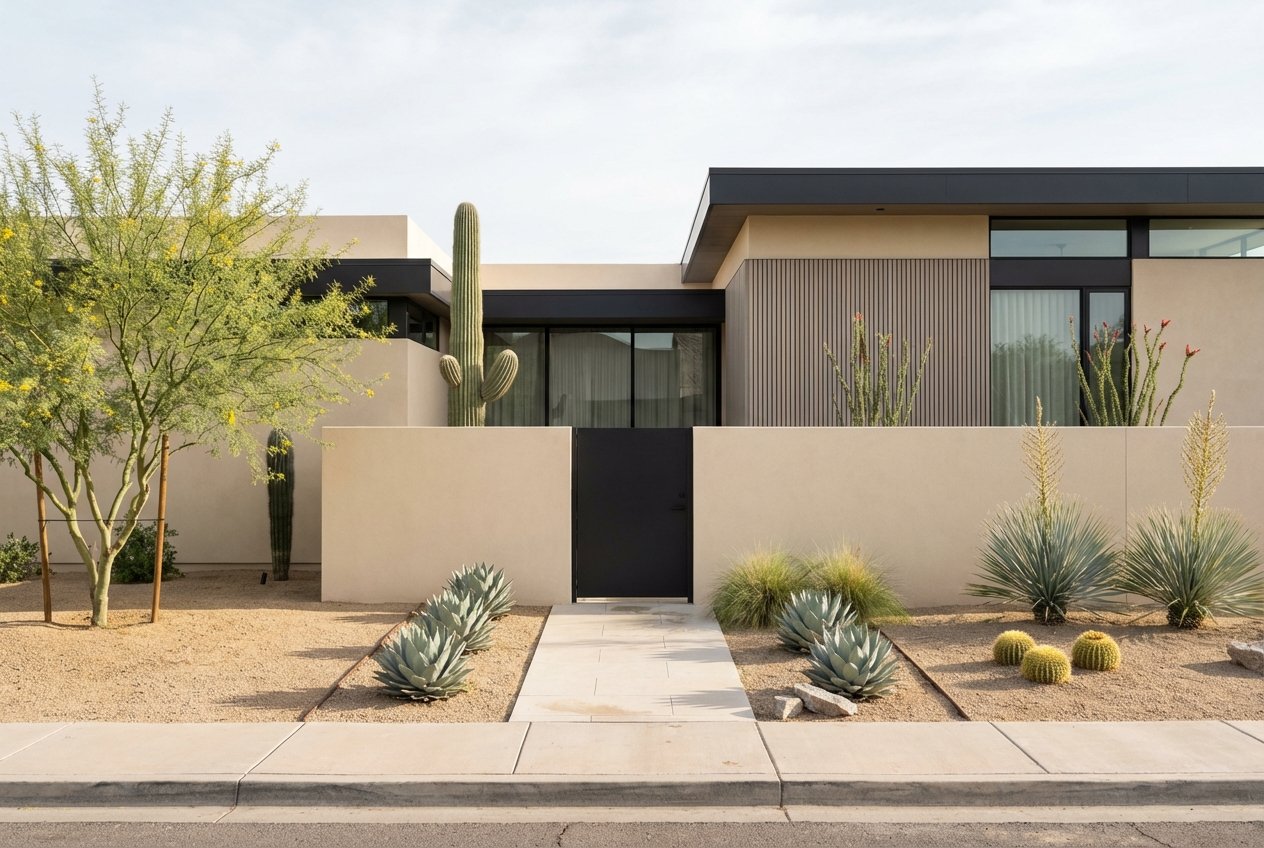
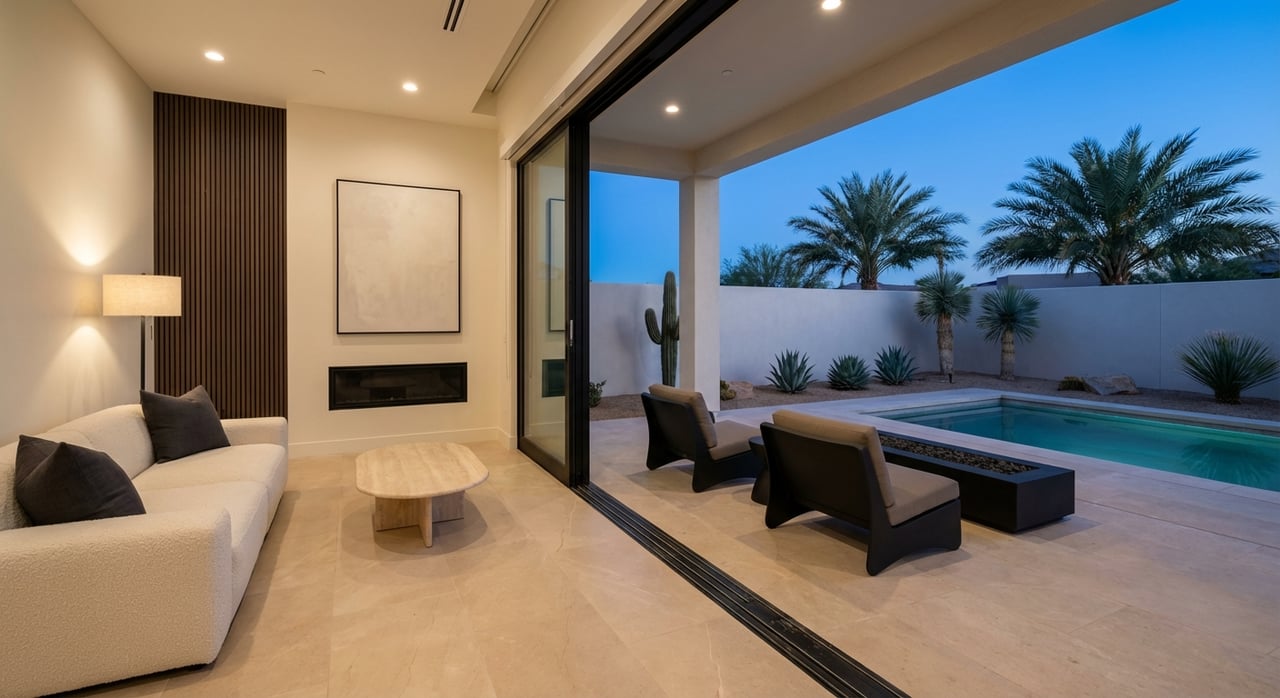
Landscape And Exterior Strategies To Enhance Indoor LightExterior design influences interior daylighting. Low-maintenance, drought-tolerant planting near windows keeps views clear and reduces unwanted shading. Hardscape elements like light-colored patios and reflective stone surfaces can bounce indirect light toward lower windows. Position outdoor living areas to avoid blocking critical window exposures. For patios and courtyards, use lattice or pergola systems that filter sunlight and create comfortable transitional spaces. In Phoenix neighborhoods such as Arcadia and Roosevelt Row, thoughtful outdoor planning complements home orientation and visual appeal.
How Natural Light Supports Daily Comfort And ProductivitySunlit environments often promote alertness and positive moods. Workspaces with ample daylight can foster focus and reduce reliance on artificial lamps. Bedrooms that receive soft morning light encourage easier wake routines. Kitchen and dining areas with bright, even illumination become natural gathering spots during daytime hours. Home design that integrates daylight with task zones makes daily activities more pleasant. Real estate agents commonly note these functional benefits when discussing how light contributes to a property’s livability.
Maintenance Practices That Keep Windows Bright And EffectiveClean windows and properly maintained frames maximize light transfer and prolong performance. Regularly remove dust and mineral buildup from glass and tracks so seals function correctly. Inspect caulking and flashing around frames to preserve weather resistance and thermal performance. Replace worn weatherstripping to prevent air leaks that reduce comfort and increase energy use. For older homes, consider retrofitting windows with improved glazing while preserving original architectural character. Routine upkeep ensures that daylight strategies continue to pay aesthetic and practical dividends over time
Bright Homes, Brighter Returns
Natural light not only enhances daily comfort and mental well-being but also makes homes more attractive to buyers, often translating into higher resale value. Simple investments like larger windows, skylights, and light-reflective finishes can yield noticeable returns and a healthier living environment for occupants in null. For personalized advice on optimizing your home's natural light and value, turn to the experts at MP Real Estate Group. Contact America One Realty today to schedule a consultation and start maximizing your home's appeal.