Does your home’s glass walls, clean lines, and mountain light feel stunning in person but a little flat in photos? You are not alone. Desert contemporary architecture shines when staging, landscaping, and photography work together. In this guide, you will learn a room-by-room plan tailored to Paradise Valley Village, plus outdoor and media tips that help you list with confidence. Let’s dive in.
Know the village market
Paradise Valley Village is an urban village inside the City of Phoenix, not the separate Town of Paradise Valley. The city’s village brochure outlines official boundaries, trail access, and local amenities that draw buyers to the area, including Phoenix Mountains trails and the Indian Bend Wash greenbelt. Review the city’s overview to understand what buyers value locally in terms of open space and lifestyle context. You can find that description in the City of Phoenix’s Paradise Valley Village brochure.
Recent snapshots show the village trading in the mid six figures with listings that can move in a few weeks. That price context is different from the nearby Town of Paradise Valley, where values are typically in the multimillion range. Your staging and marketing budget should align with the village’s buyer expectations and your home’s position within the area’s wide mix of properties.
What desert contemporary buyers expect
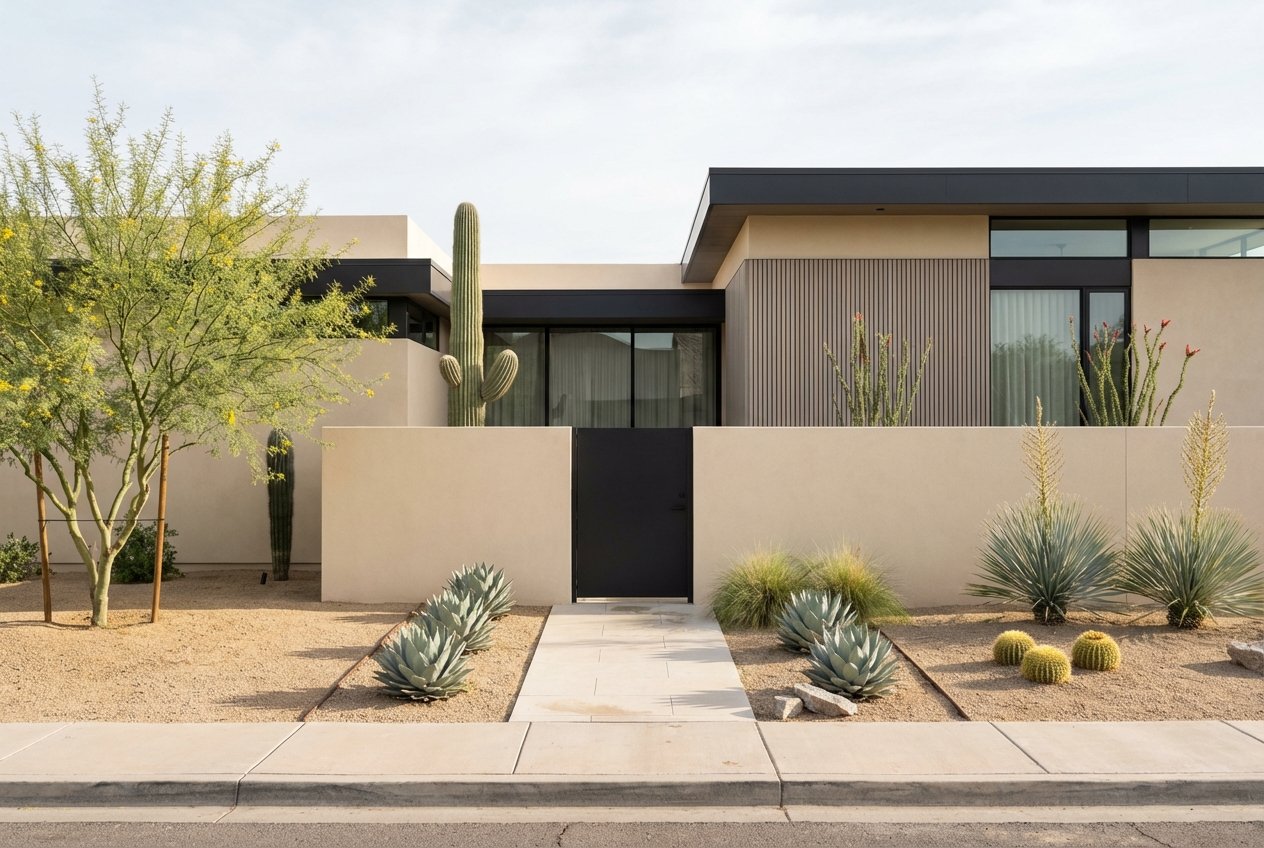
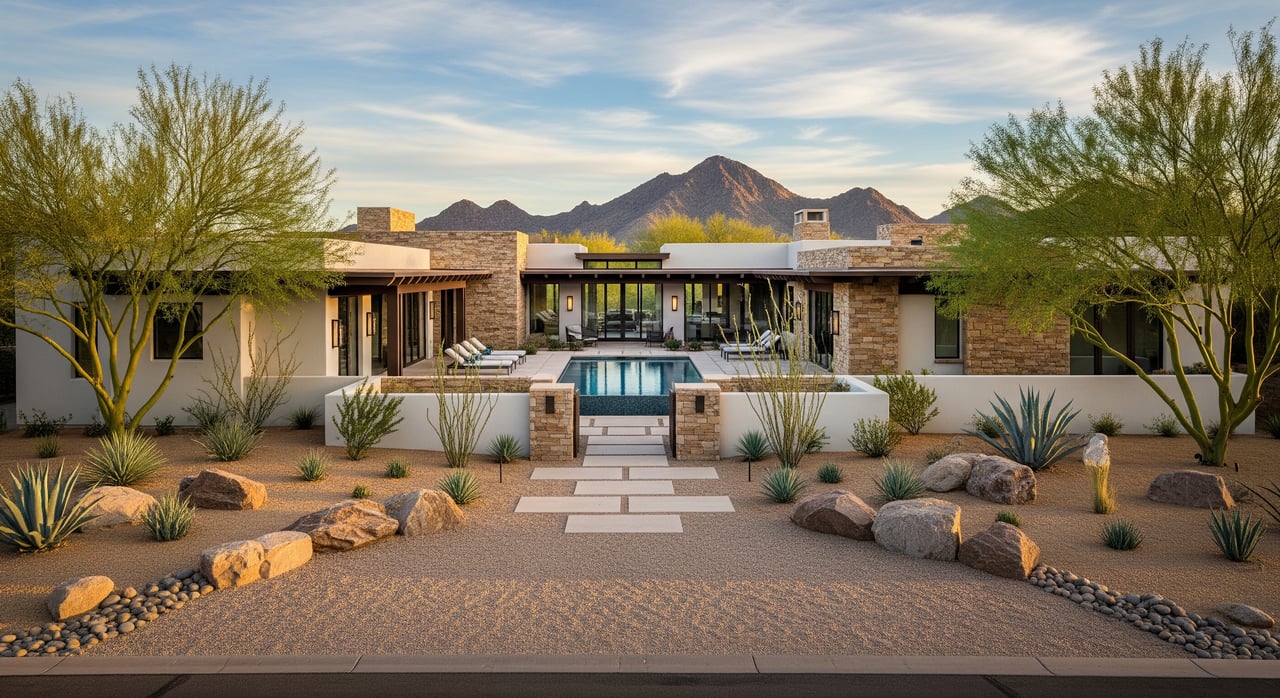
Desert contemporary, sometimes called desert modern, favors horizontal lines, large sliding glass walls, open plans, and a natural palette of stone, concrete, warm woods, and metal. Staging should respect the architecture rather than cover it. Design coverage of desert homes consistently highlights these elements and the importance of keeping sightlines open. See examples of desert homes and material palettes in design coverage of desert architecture.
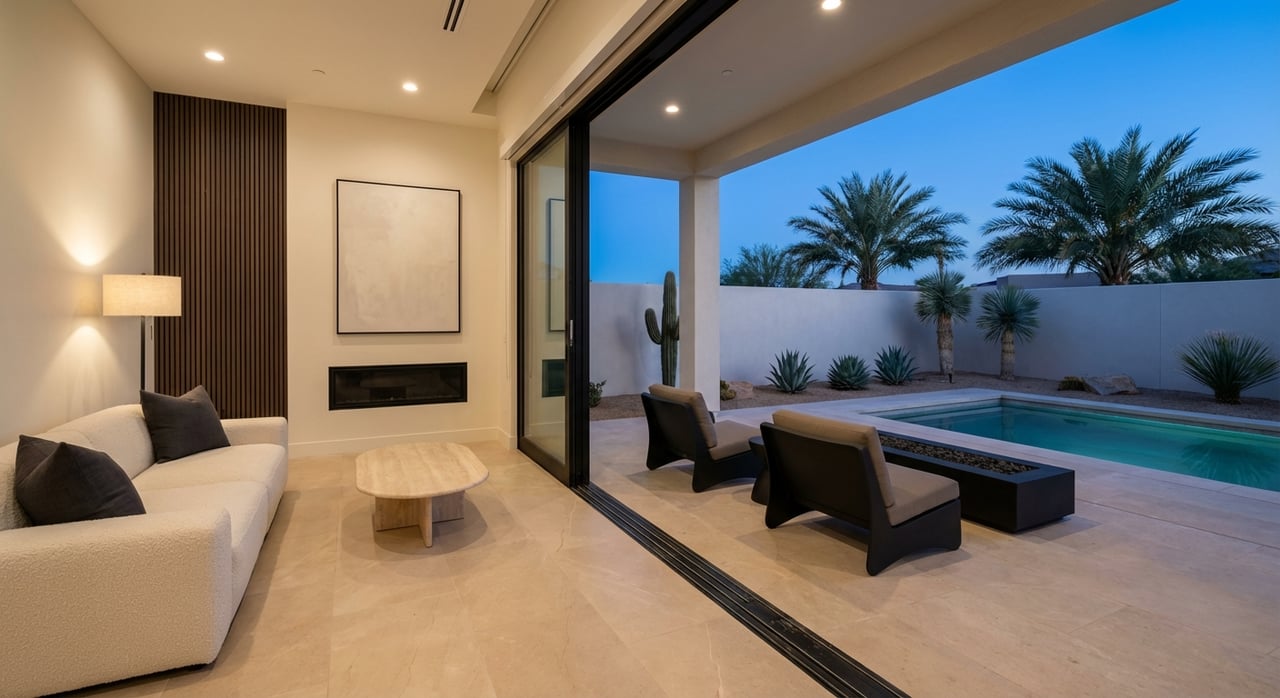
Light, views, and indoor/outdoor flow are your primary assets. Arrange furniture so eyes move to framed mountain or garden views and to patios that extend living space. Window treatments should be minimal and open during showings. When midday glare is intense, consider solar shades or adjust showing times to softer light.
Core staging principles
- Keep architecture visible. Choose low-profile seating and open-leg furniture so floors feel continuous and views remain the star. Avoid heavy, ornate pieces that fight the home’s clean geometry. Design commentary on desert climates supports lighter, layered schemes that work with modern forms.
- Use scale and negative space. Fewer, larger pieces read best. Think one oversized art piece or a substantial mirror rather than many small frames. In photos, large-scale accessories and simple styling look intentional and high-end.
- Lean into a warm desert palette. Start with warm whites, soft beiges, and light grays. Add restrained accents like terra cotta, sage, or muted turquoise. Desert design features show this palette photographs consistently across bright daytime conditions.
- Control light for media and showings. Plan interiors for soft, diffused daylight. For photos, work around glare on large glass walls and time exterior images for morning, late afternoon, or blue hour to avoid harsh contrast. Virtual open house tools and 3D tours extend reach to remote buyers and reward well-controlled lighting.
- Prioritize high-impact rooms. Invest most in the living room, primary bedroom, and kitchen. Staging industry research and NAR reporting note these spaces drive buyer emotion and offer strong returns.
Room-by-room plan
Entry and curb
- Clean and declutter the driveway, walkway, and porch. Pressure-wash hard surfaces where needed and fix small issues like loose pavers or caulk gaps.
- Add two matching pots with architectural succulents, such as agave or yucca, scaled to your entry. For low-water plant lists and guidance, consult the Arizona Department of Water Resources and the Desert Botanical Garden.
- If applicable, confirm HOA and city guidelines before changing hardscape or adding larger planters.
Living or great room
- Furnish with a low, simple sectional or paired sofas. Leave clear paths so the eye flows to the windows and patio doors.
- Use 1 or 2 large art pieces and keep tabletops minimal. A textural rug warms concrete or large-format tile without adding visual clutter.
- Layer lighting with ceiling fixtures plus floor or table lamps for depth in late-day photos and twilight showings.
Kitchen
- Keep counters nearly empty. One bowl of citrus, a simple vase, or a single cookbook is enough to signal lifestyle without clutter.
- If cabinets or hardware are dated and the budget allows, light cosmetic updates can go far. In many modern kitchens, restraint and cleanliness have the biggest impact.
Primary bedroom
- Dress the bed with layered neutral linens and two streamlined lamps. Add one textured throw or pillow for warmth.
- Keep window coverings simple and open when views are an asset. If you need privacy, soft sheers maintain a modern feel while diffusing light.
Bathrooms
- Remove all personal items and replace worn mats and towels with new, neutral options. Clean grout, re-caulk where needed, and polish hardware.
- Clear counters, keep one small plant or tray, and ensure mirrors are spotless for photos.
Secondary rooms and flex spaces
- Give each space a clear purpose. Stage one as an office or lounge with modest, right-sized furniture.
- Keep accessories minimal so rooms feel usable and not overfilled.
Outdoor living and xeriscape
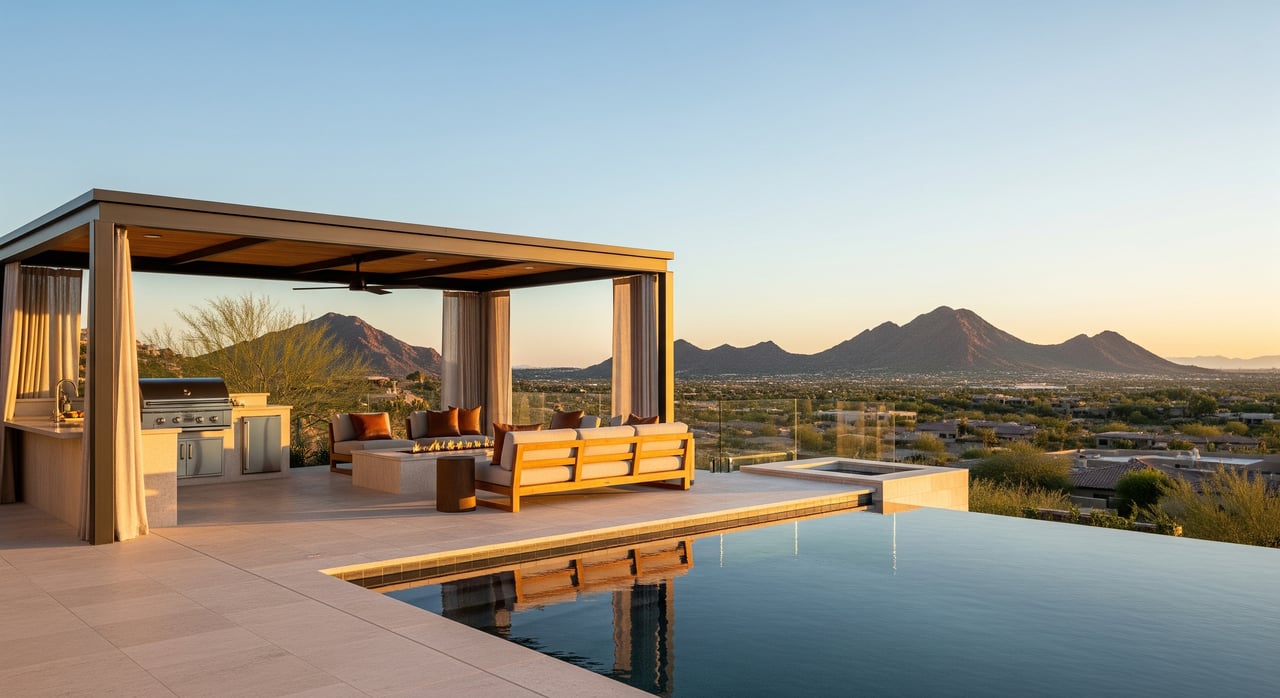
- Present patios as living rooms. Set a dining vignette or a pair of loungers with neutral cushions and a small side table.
- Emphasize shade and comfort during afternoon showings. Rotate umbrellas or reorient seating to avoid direct glare.
- Use low-water, low-maintenance plants in beds and large pots near seating zones. Mature agave, yucca, desert spoon, palo verde, or Texas ranger are good fits for the Sonoran climate. For plant selection and maintenance tips, review ADWR’s Phoenix AMA resources and the Desert Botanical Garden’s guides.
- Ensure the pool is spotless and chemically balanced for photos. Remove faded cushions and store worn accessories.
Photography and media that sell
For modern homes, media quality is as important as furniture. Ask your agent for a package that includes:
- Professional interior and exterior photography with a clear hero image.
- A twilight or dusk exterior if your pool, landscape lighting, or facade geometry shows well after sunset. Night imagery often drives higher engagement.
- Aerial stills to place the lot, views, and outdoor amenities in context. Use only licensed operators per FAA and local rules.
- Floor plans and a Matterport-style 3D tour. Buyers interact longer with listings that include immersive media and guided virtual open houses.
Why it matters: NAR reporting shows staged homes and strong visuals influence buyer interest and can reduce time on market. Your staging plan should be built to photograph beautifully and support a media-forward launch.
Budget tiers and ROI
Every home benefits from some level of staging. Scale your plan to your price point and goals.
- No-frills, under ~$1,000. Focus on decluttering, deep cleaning, paint touch-ups, and a few key furniture moves or one rented statement piece. This level fits many entry and mid-range village listings.
- Mid investment, $2,000–$6,000. Partial staging for living room and primary suite, kitchen styling, professional photos, and a 3D tour. Industry statistics indicate staging is modest relative to sale price and often delivers high ROI.
- Luxury, $5,000+. Full or high-end partial staging with premium furniture, art placement, a twilight and drone package, and elevated collateral. NAR and trade coverage note luxury listings gain from pairing design-forward staging with top-tier media.
Timeline to listing day
A simple calendar keeps decisions on track and launch day flawless.
- 3–4 weeks out. Schedule a stager consult and create a declutter and repair plan. Obtain quotes for paint, minor fixes, and any rental furniture.
- 2–3 weeks out. Complete cosmetic work, deep clean interiors, and tidy the landscape. Install rented items if doing full staging.
- 1 week out. Photograph interiors mid-day for even light. Capture exteriors in early morning or late afternoon, and twilight if applicable. Add drone stills and the 3D tour the same day.
- List day. Go live with a strong hero image and virtual tour link. Keep the home show-ready and lights on for all appointments.
Avoid common mistakes
- Blocking views with tall sofas, bulky chairs, or heavy drapery.
- Over-accessorizing with lots of small frames or knickknacks that distract from architecture.
- Ignoring glare and reflections on large glass walls during photos and showings.
- Letting patios read empty or uncomfortable during summer heat.
- Removing established desert plants that add structure to the landscape.
Ready to position your home to win?
Desert contemporary homes in Paradise Valley Village respond beautifully to thoughtful staging, intentional outdoor vignettes, and media that highlights light and flow. With a clear plan, you can protect your sightlines, sell the view, and launch with confidence on day one. If you want a tailored, design-forward strategy and curated marketing, schedule a private consultation with the team at MP Real Estate Group.
FAQs
What is Paradise Valley Village in Phoenix?
- Paradise Valley Village is one of Phoenix’s urban villages, defined by the City of Phoenix, with access to mountain trails and the Indian Bend Wash greenbelt, and is distinct from the separate Town of Paradise Valley.
How is the village market different from Town of Paradise Valley?
- The village generally trades in the mid six figures, while the separate Town of Paradise Valley often sees multimillion-dollar sales, so staging budgets and buyer expectations should align with these different price contexts.
What makes a home “desert contemporary” for staging?
- Desert contemporary features strong lines, large glass walls, open plans, and natural materials; staging should keep sightlines open, use restrained color, and showcase indoor/outdoor flow.
Which rooms should I stage first for best ROI?
- Prioritize the living room, primary bedroom, and kitchen, since buyers focus on these spaces and industry research links them to stronger impact on offers and time on market.
How should I handle xeriscape when listing?
- Keep established structural plants, tidy beds, and add low-water, mature containers near patios; consult ADWR and Desert Botanical Garden resources for plant choices and care.
Is virtual staging enough for a modern home?
- Virtual staging is helpful for empty rooms online, but many buyers still connect most with physical staging during showings; use it as a complement rather than a full replacement.
City of Phoenix Paradise Valley Village brochure
Design coverage of desert homes
Desert climate design guidance
Desert Botanical Garden resources