Eyeing a teardown, lot split, or modern new build in Paradise Valley Village but not sure where to start? You are not alone. Many investors and high-end builders see the potential along these established streets yet want a clear path through Phoenix’s rules, fees, and neighborhood input. In this guide, you’ll learn what infill looks like here, where demand is strongest, how approvals work, and what to check early so your pro forma holds. Let’s dive in.
Paradise Valley Village basics
Paradise Valley Village is a City of Phoenix urban village with its own planning identity and advisory committee. Do not confuse it with the Town of Paradise Valley, which is a separate municipality next door with different zoning and price points. You can review the village context and planning assets on the City’s overview page for Paradise Valley Village.
The village blends mid-century ranch neighborhoods, larger-lot areas, and strong corridor nodes near Paradise Valley Mall and the Kierland area. Regional open space like the Phoenix Mountain Preserve and Indian Bend Wash add year-round lifestyle appeal. These amenities help support demand for renovation, luxury rebuilds, and new attached products where zoning allows.
Phoenix also maintains an Infill Development District with tools designed to reduce friction on qualified sites. That can include adjusted technical standards and coordinated staff review. If you are targeting infill here, it is worth understanding what the city’s Infill Development District can offer.
What infill looks like today
Luxury teardowns and rebuilds
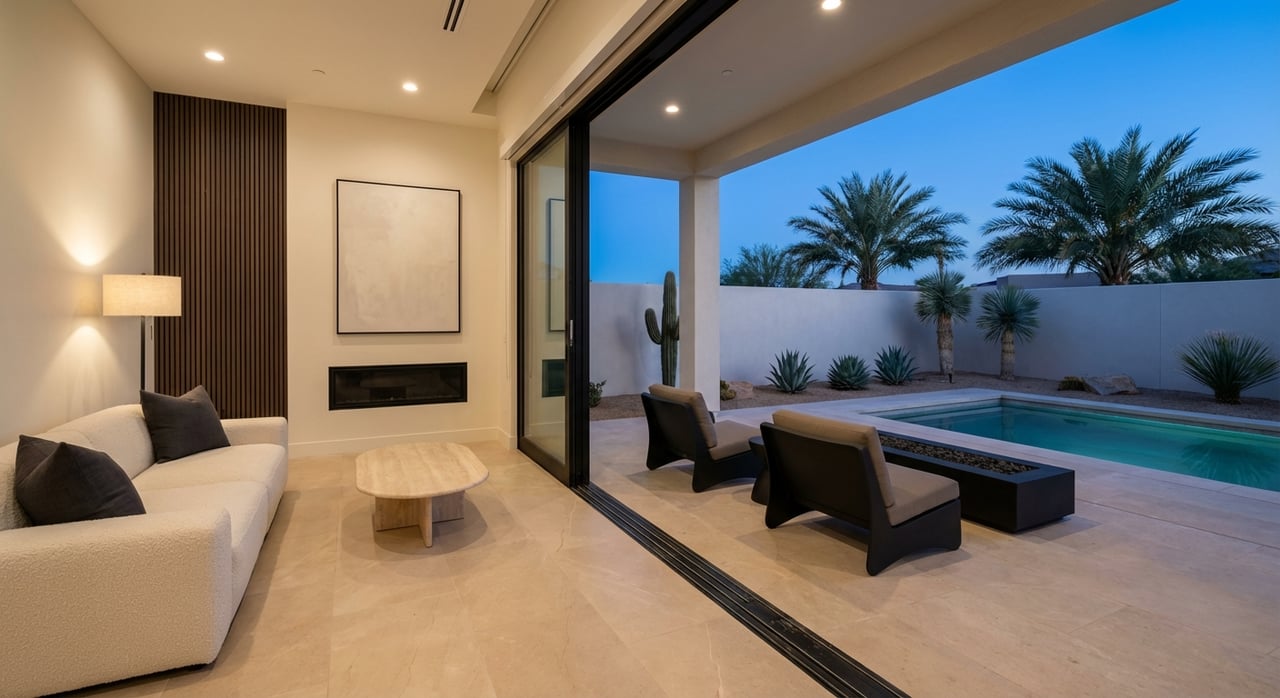
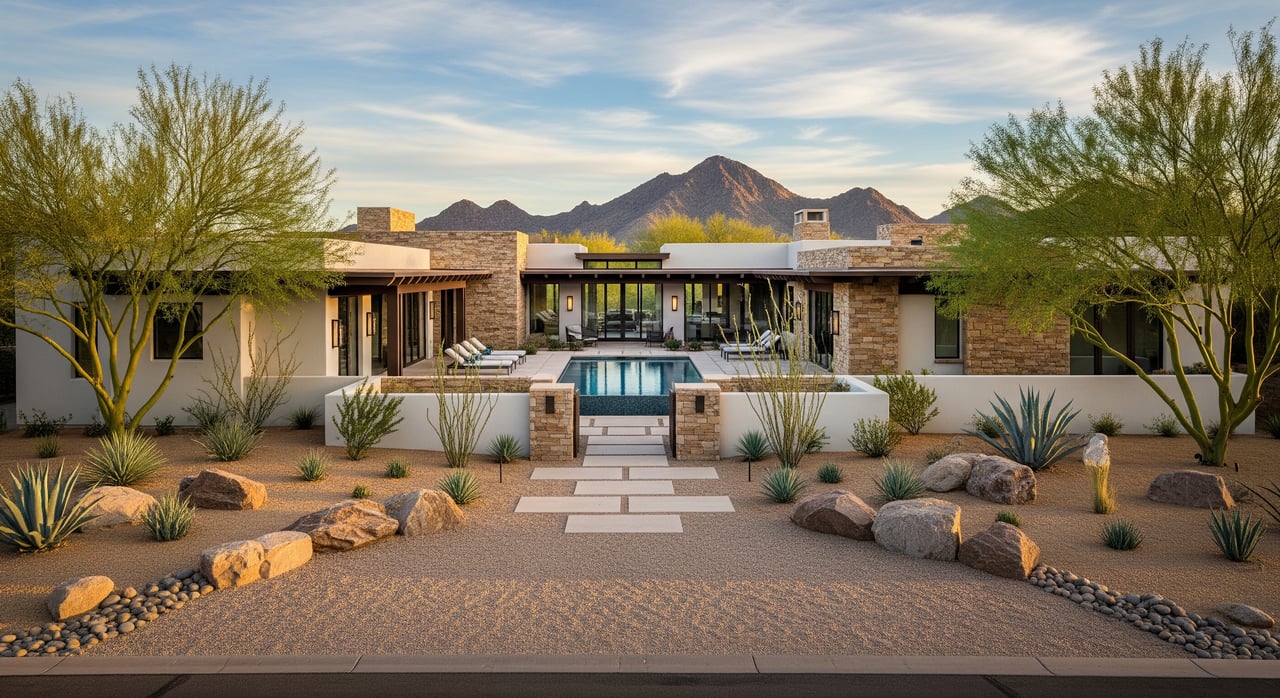
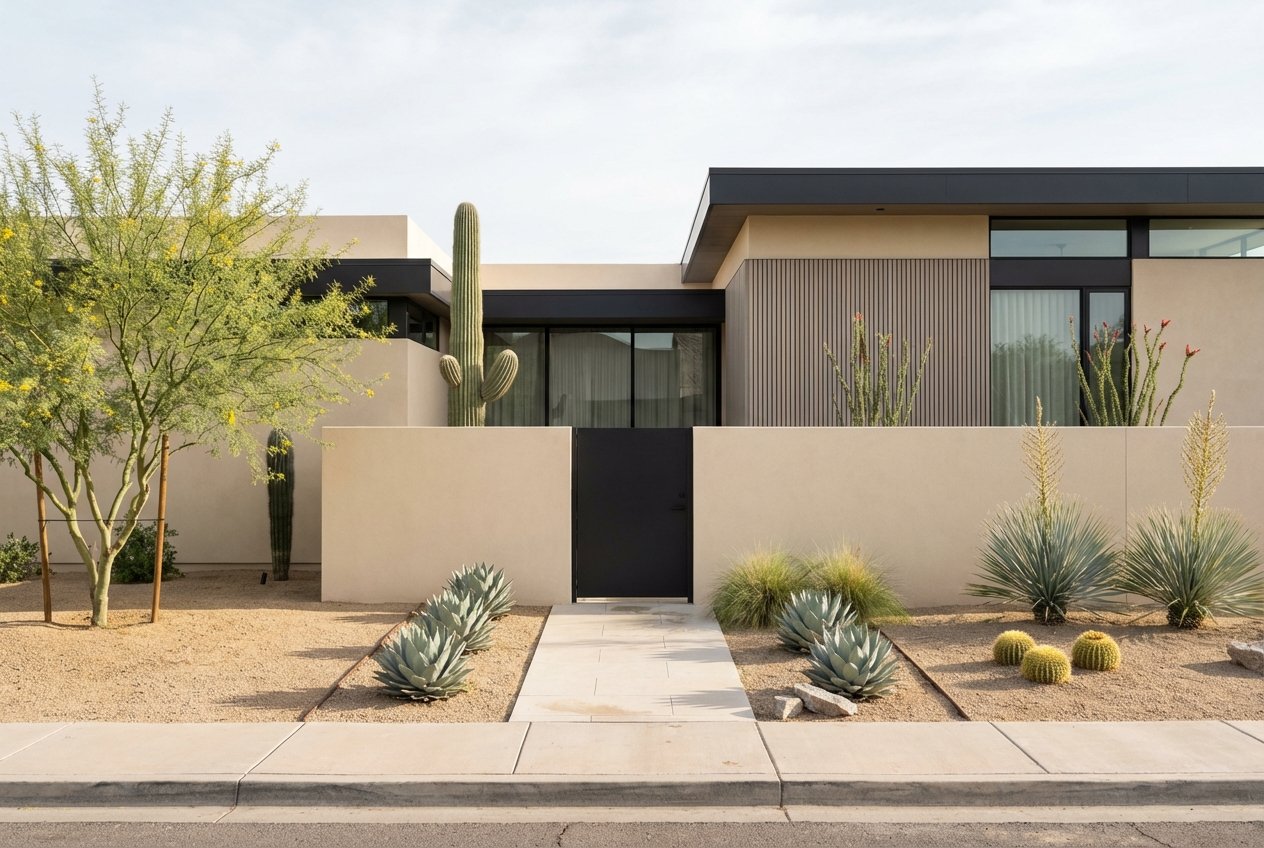
You will see older ranch homes replaced with custom high-end product, especially on mid to larger lots. Buyers want modern systems, open great rooms, and resort yards with indoor-outdoor flow. Position your specs with clean architecture, generous glazing, and refined outdoor rooms to meet this taste profile.
Two-lot splits and small plats
Where zoning and lot size allow, minor lot splits and small-lot final plats can unlock value. Phoenix offers an administrative lot-split process in certain cases, and a plat process where public right-of-way or more lots are involved. The city explains both pathways on its lot split and lot line adjustment page. In the northern parts of the village, builders have turned deeper parcels into multiple 45 to 50 foot lots when standards are met.
Attached single-family near corridors
Small-lot attached homes or townhomes can fit where corridor or multifamily zoning meets lower-density neighborhoods. Phoenix’s infill work and district options have enabled attached forms in more areas, subject to the exact zoning on your parcel. The North 32nd Street policy plan highlights where incremental redevelopment is appropriate along that corridor.
ADUs to boost yield on single-family
Accessory Dwelling Units are now allowed on most single-family lots, with up to two ADUs in many cases. Well-designed ADUs can create rental income, support multigenerational living, or serve as guest suites on luxury properties. Review Phoenix’s current ADU rules when modeling yield.
Small multifamily on key arterials
Select arterial parcels with the right entitlements can support small multifamily or condo redevelopment. Parking, height transitions, and streetscape compatibility become critical here. Expect public input and careful design coordination if you pursue a rezone or height variance in edge conditions.
Market orientation
As a pricing gut-check, the neighborhood-level median sale price in Paradise Valley Village was about 625,000 dollars in January 2026. That supports two clear paths: premium luxury rebuilds on larger lots and efficient attached or small-lot for-sale product where allowed. Do not benchmark pricing to the separate Town of Paradise Valley, which trades at substantially higher levels.
Zoning and approvals you should know
Know your base zoning
Phoenix’s single-family districts include RE-35, R1-18, R1-10, R1-8, and R1-6, each with its own lot size, setbacks, lot coverage, and height. Many single-family districts cap height at two stories and 30 feet, with garage orientation and coverage rules that affect your program. Start with your parcel’s zoning and overlays in the City’s code for residential districts before you assume a split or density.
Lot split vs final plat
Phoenix offers an administrative lot division or lot-line adjustment when a final plat is not required. If you are creating public right-of-way, exceeding the administrative threshold, or otherwise triggering subdivision rules, you will move into the preliminary/final plat workflow. The city outlines these pathways on its lot split and lot line adjustment page. City staff can confirm your route at pre-application.
Faster plat approvals for small projects
As of April 2024, Phoenix enabled the Planning and Development Director or designee to approve certain plats administratively. For qualifying small subdivisions, this can trim roughly a month from the final approval timeline. You can review the change in the city’s legislative record.
Tap the Infill Development District
If your parcel is within Phoenix’s Infill Development District, you may qualify for adjusted technical standards, streamlined review, and an infill team to coordinate early feedback. Explore the city’s Infill Development District policy and confirm eligibility at pre-application.
Understand public process and input
Larger projects and rezonings go before the Paradise Valley Village Planning Committee for a recommendation to the Planning Commission. Plan for neighbor outreach and possible design conditions that address compatibility. Check meeting schedules and committee details on the Paradise Valley Village Planning Committee page.
Costs, utilities, and timelines
Impact and connection fees
Phoenix assesses impact fees by service area, plus water and wastewater connection fees based on meter size and units. On small infill, these line items can be material on a per-lot basis. Review the city’s impact fee framework in the Phoenix City Code and size your taps early.
Water and sewer capacity
Confirm available capacity and existing meter sizes with Phoenix Water Services. Some projects require off-site main upsizing or capacity charges, while others can apply existing tap credits. Capacity constraints can delay or reshape your design. The city’s Water Services manual and development review process outline expectations; the technical manual is available in this reference document.
Site-specific technical items
Grading, on-site retention, floodplain or wash setbacks near Indian Bend Wash, native plant salvage, and utility relocations can all move your budget. Ask early about required street trees, sidewalks, and driveway orientation standards. Your civil engineer can scope these during pre-design using the city’s engineering review checklists and the Water Services manual noted above.
Where time is spent
Your schedule will hinge on entitlement steps, engineering reviews, building permit cycles, and inspections. Administrative plat approvals and infill streamlining can shave weeks on smaller projects. Full subdivision improvements, utility upsizing, or public hearings add time. A pre-application with Site Planning will help you map a realistic sequence.
Risks and how to mitigate them
State focus on serial lot-splitting
Arizona has paid close attention to serial lot-splitting schemes. Recent bills introduced in 2026 seek tighter disclosure and ownership attestation to reduce efforts to bypass subdivision rules. While aimed at rural abuse, the climate favors transparent, well-documented processes. Track developments in the state legislative update and keep your title, plat, and permit files clean.
CC&Rs and deed restrictions
Older subdivisions and gated enclaves sometimes restrict splits, building forms, or minimum sizes. Order a title commitment and CC&R package before you close. If a past deed split appears without proper city approval, the city’s lot split team can explain the remedy at intake.
Neighborhood character and outreach
Residents in established areas are active participants in the village process. If you are adding units or shifting streetscape rhythm, early visuals and thoughtful transition design reduce resistance. Stay engaged with the Village Planning Committee and document how your plan meets compatibility goals.
Utility surprises
Do not assume sewer availability or sufficient pressure. Confirm whether the parcel is on municipal sewer or an older private system. Any required off-site sewer work or main extension can shift feasibility. Use the Water Services development review contacts and the technical manual referenced earlier to validate capacity.
Your due-diligence checklist
- Run the parcel through the City of Phoenix My Community Map to confirm zoning, overlays, and permit history.
- Order a title commitment and CC&R search; flag any HOA or deed-based limits on splits or building forms.
- Call Phoenix Water Services to verify existing meter sizes, available capacity, and probable off-site obligations.
- Request a pre-application with the Site Planning and Infill team to confirm whether an administrative lot split or a plat is required and whether Infill District tools apply.
- Schedule early outreach with the Paradise Valley Village Planning Committee and adjacent owners; prepare context-sensitive massing and elevations.
- Budget for land, demolition, engineering, impact and tap fees, on-site retention, street improvements, landscape mitigation, and a contingency for public process conditions.
How we help you move faster
You want clarity, speed, and a confident go or no-go. Our team works at the intersection of luxury sales and development marketing across Paradise Valley, Scottsdale, and the East Valley. We help you:
- Source target lots and off-market opportunities that match your program and timeline.
- Benchmark pricing and product strategy against current Village demand and buyer preferences.
- Coordinate pre-listing design, branding, and launch for specs through our integrated development marketing platform.
- Manage the sales cycle with polished media, private events, and multilingual outreach to domestic and international buyers.
- Provide end-to-end support for investors and absentee owners through property management after close.
If you are considering a teardown, two-lot split, or a small-lot plat in Paradise Valley Village, let’s talk strategy early. Schedule a private consultation with a managing partner at MP Real Estate Group.
FAQs
What is the difference between Paradise Valley Village and the Town of Paradise Valley?
- Paradise Valley Village is a City of Phoenix planning area with its own committee and city zoning. The Town of Paradise Valley is a separate municipality next door with different rules and generally higher luxury price points.
Where are attached townhomes more feasible in the village?
- Attached single-family or townhomes are most feasible on corridor parcels with appropriate zoning or overlays; the city’s North 32nd Street policy plan highlights where incremental redevelopment fits.
Can I add ADUs to a single-family lot in Paradise Valley Village?
- In many Phoenix single-family districts you can add up to two ADUs, subject to standards. Review the city’s ADU rules and confirm specifics at pre-application.
What are the common single-family zoning districts and height limits?
- Common districts include R1-6 and R1-10 among others, with typical single-family standards such as two stories and 30-foot height limits. Check the code for residential districts to confirm for your parcel.
Do lot splits require a final plat in Phoenix?
- Not always. Phoenix offers an administrative lot division route when a final plat is not required. If you create right-of-way or exceed thresholds, you will move into the plat process. See the city’s lot split guidance for details.
Has Phoenix changed the timeline for plat approvals?
- Yes. For qualifying projects, the Planning and Development Director or designee can now approve plats administratively, which can trim about a month from final approval. See the legislative update.
Which fees should I budget on small infill projects?
- Plan for impact fees, water and wastewater connection fees, potential off-site utility work, grading and retention, landscape mitigation, and street improvements. The city’s impact fee framework is outlined in the Phoenix City Code, and utility expectations appear in the Water Services manual.