Thinking about listing your home in Paradise Valley Village? A pre-listing inspection can be your quiet advantage. It helps you see your home the way buyers and lenders will, so you can set the right price, minimize concessions, and move through escrow with fewer surprises. In this guide, you’ll learn what to inspect, how it supports Arizona disclosures, and how to turn the report into a marketing edge. Let’s dive in.
What a pre-listing inspection is
A pre-listing inspection is a set of professional evaluations you complete before your home hits the market. The goal is to identify issues a buyer’s inspector would likely flag later. With this knowledge, you can repair key items, adjust pricing, or offer credits on your terms. You also build buyer confidence by being transparent about condition from day one.
Why it matters in Paradise Valley Village
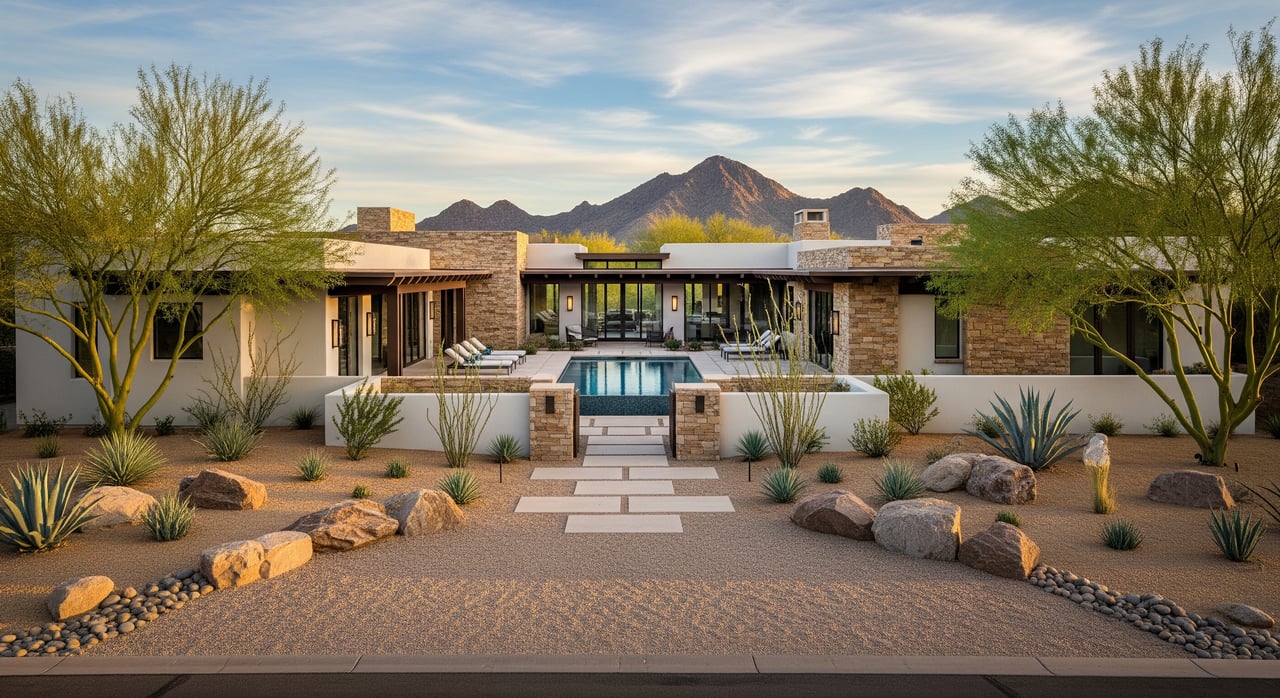
Paradise Valley Village is a Phoenix municipal village, not the separate Town of Paradise Valley. The area features a blend of older custom builds and newer remodels, often with pools, large lots, and tile or flat roofs. Extreme heat, sun exposure, and summer monsoons can accelerate wear on AC systems, roofing, stucco, and exterior finishes. Hard water can shorten the life of water heaters and certain plumbing components. A pre-listing inspection helps you get ahead of these local realities so buyers focus on your home’s strengths instead of last-minute findings.
The right inspections for Phoenix homes
Consider these inspection types that make the most sense for Paradise Valley Village and similar Phoenix neighborhoods:
- General home inspection. A comprehensive overview of structure, roof access where safe, electrical, plumbing, appliances, doors and windows, attic, and insulation. This is your baseline to catch safety and functional issues.
- HVAC inspection. AC is essential in Phoenix. An HVAC check assesses performance, approximate age, refrigerant, ductwork, and service history. A failing unit can derail offers.
- Roof inspection. Tile, flat, and built-up roofs need careful review of underlayment, flashing, parapets, and skylights. Drone or attic views can help spot hidden leaks.
- Pool and spa inspection. Reviews the shell, equipment, heaters, and safety features. Pool barrier compliance is important in Phoenix and HOAs may have their own requirements.
- Wood-destroying organism inspection. A WDO or termite evaluation checks for active infestation or past damage. Many lenders request a WDO report, so getting one early is smart.
- Sewer lateral camera scope. Older properties can have root intrusion, offset joints, or breaks between the home and the public sewer. A camera scope provides clarity and reduces buyer anxiety.
- Specialty inspections as needed. Structural engineering for suspected slab movement, moisture or mold testing if there are odors or water stains, solar PV system checks, or irrigation and drainage evaluations for monsoon readiness.
If you want to understand what a professional home inspection includes, organizations like InterNACHI and ASHI publish helpful standards and guidance.
How inspections support Arizona disclosures
In Arizona, sellers complete a Seller’s Property Disclosure Statement. A pre-listing inspection does not replace disclosure duties. It helps you identify and document material issues you must disclose. You should update your disclosure with inspection findings and note any repairs completed with permits and receipts where available. For more on disclosure expectations, visit the Arizona Department of Real Estate.
If your home was built before 1978, federal law requires a lead-based paint disclosure on regulated transactions. You can review the basics through the U.S. Environmental Protection Agency’s lead disclosure guidance.
When to inspect and what to fix
Timing matters. Aim to schedule pre-listing inspections 2 to 4 weeks before you go live. This gives you time for bids, repairs, and paperwork.
Triage the report into three buckets:
- Safety and major systems. Prioritize electrical hazards, active leaks, roof failures, and non-functioning AC components. These are high-impact items.
- Recommended repairs. Address moderate issues that could spook buyers or signal neglect. Examples include failed window seals, minor roof underlayment issues, or pool equipment nearing the end of life.
- Maintenance items. Simple fixes like GFCI outlet upgrades, filter changes, caulking, or irrigation timer programming can be disclosed and handled as time allows.
Not every item needs to be fixed before listing. For higher-cost items, you can adjust your price or offer a credit so buyers feel they are getting a fair solution without slowing escrow.
How to select inspectors and contractors
The right professionals make all the difference. Use this quick vetting list:
- Credentials and memberships. Look for affiliation with respected groups like InterNACHI or ASHI.
- Insurance. Confirm general liability and errors and omissions coverage.
- Local experience. Choose inspectors who know Phoenix construction styles, tile and flat roofs, pools, and monsoon-related drainage issues.
- Sample reports. Ask for examples. You want clear photos, concise explanations, and practical recommendations.
- Specialty capabilities. Drone roof viewing, sewer camera scopes, infrared scans, and pool or WDO add-ons can save time.
For contractors, seek 2 to 3 bids for significant work. Verify license status, check references, and confirm permit requirements with the City of Phoenix if needed. You can start with the Planning and Development Department to understand local permitting at the City of Phoenix Planning & Development.
Turn your report into a marketing asset
Transparency sells. You have a few ways to leverage your inspection:
- Share strategically. Provide a summary in the MLS or make the full report available upon request after buyers tour the home. Remove personal information.
- Highlight completed work. List major repairs or servicing you completed, such as roof maintenance or HVAC tune-ups, and include receipts.
- Signal confidence. Phrases like recently inspected and repairs completed pre-listing can reassure buyers that your home is well cared for.
Work with your agent to decide how much to share and when. Some buyers still prefer their own inspections. Your goal is to reduce uncertainty and streamline negotiations.
Costs and ROI to expect
Inspection costs vary by scope and size. A general inspection is usually a modest investment compared to the value of your home and the potential savings in concessions or time on market. Add-ons like HVAC, roof, pool, WDO, and sewer camera scopes increase cost but can prevent larger credits or delays later. In a competitive setting, being proactive can support stronger offers, fewer repair requests, and a smoother close.
Step-by-step pre-listing inspection plan
Use this simple plan to stay organized:
- Schedule inspections 2 to 4 weeks before listing.
- Confirm general, HVAC, roof, pool, WDO, and sewer camera scopes as needed.
- Ask for reports with photos and clear priority levels.
- Triage findings and secure bids.
- Separate safety and major systems from recommended and maintenance items.
- Get 2 to 3 contractor bids for significant work.
- Decide on repairs vs. credits.
- Fix high-impact items that could hinder appraisal or insurance.
- Consider pricing or credits for costly improvements with longer lead times.
- Pull permits where required and save paperwork.
- Verify permit needs with the City of Phoenix Planning & Development.
- Keep all receipts, permits, and contractor warranties.
- Update your disclosures.
- Reflect inspection findings and completed repairs in your Seller’s Property Disclosure Statement.
- Review Arizona disclosure obligations on the Arizona Department of Real Estate.
- Market with confidence.
- Share a report summary and highlight completed work.
- Prepare for buyers to do their own inspections and stay consistent with your documentation.
Local watchouts unique to the Village
Paradise Valley Village homes often include design features suited to desert living. Keep an eye on these items during inspections and prep:
- Tile and flat roofs. Check underlayment, flashing around chimneys and skylights, and parapet details.
- HVAC performance. Multi-unit systems need documented servicing and clean filters. Ensure proper attic ventilation.
- Pools and spas. Equipment age, heater performance, automatic safety covers, and compliance with pool barrier rules deserve attention.
- Irrigation and drainage. Confirm functional irrigation zones and make sure grading moves water away from the foundation before monsoon season.
- Hard water wear. Consider flushing the water heater and assessing fixtures or valves that show scaling.
Smooth closings with fewer surprises
Most buyers and lenders still order their own inspections. That is normal. Your pre-listing work narrows the scope of buyer requests and reduces the chance of a last-minute discovery that delays underwriting. It also shows buyers you are organized and acting in good faith. The result is often a faster, cleaner escrow and better control over the terms.
Ready to position your Paradise Valley Village listing for success? Our team can help you plan inspections, coordinate vetted vendors, and present the results with polished marketing. For a private, concierge-level strategy session, connect with MP Real Estate Group.
FAQs
What is a pre-listing inspection for home sellers?
- It is a set of professional inspections you complete before listing to identify and address issues upfront, improve pricing confidence, and streamline negotiations.
Which inspections matter most in Paradise Valley Village?
- General home, HVAC, roof, pool or spa if present, WDO or termite, and a sewer lateral camera scope for older properties are commonly the most relevant.
Will a pre-listing inspection replace the buyer’s inspection?
- No. Most buyers and lenders will still order their own inspections, but your report reduces surprises and often cuts down on repair requests.
Should I fix everything my inspector finds?
- Prioritize safety and major system issues, then consider recommended items that impact buyer confidence. Minor maintenance can be disclosed or handled with price or credit.
How do Arizona disclosures work with pre-listing inspections?
- You must disclose known material issues. Use your inspection to inform the Seller’s Property Disclosure Statement and include receipts and permits for completed repairs. The Arizona Department of Real Estate provides general guidance.
Do I need to worry about lead-based paint in older homes?
- If your home was built before 1978, federal law requires a lead-based paint disclosure in regulated transactions. Learn more from the EPA’s lead disclosure guidance.